Leak location and marking
We confirm the failure point with acoustic listening devices, thermal imaging cameras, and electronic leak detection equipment, then mark the smallest practical opening. You see the layout before any cutting begins.
When a slab leak or under-slab pipe failure forces you to open the floor, concrete breaking and removal Victoria TX is the first step and the messiest one. We cut, break, and haul out the concrete, keep the rest of your home sealed off from dust, and stage the opening so our plumbers can reach the pipe fast. Homeowners, landlords, and property managers across Victoria County call us because we control the dust, protect the finish, and leave a clean, repairable edge.
Concrete breaking and removal Victoria TX is the controlled demolition of a concrete slab, driveway, patio, or garage floor to expose what is underneath, followed by hauling the broken material off-site. On a slab-on-grade home, that means saw-cutting a clean perimeter, breaking the interior into manageable pieces with a jackhammer or hydraulic breaker, lifting the rubble out, and exposing the soil or bedding so a plumber can reach the failed line. We work to a marked layout so the opening is no bigger than the repair needs.
Most of our concrete demolition Victoria Texas calls start with a symptom, not a plan: a hot spot on the floor, a water bill that jumped $80 in one month, or water pooling near a baseboard. Victoria's clay-heavy soils and long, hot summers move slabs, and older neighborhoods like Downtown Victoria and North Park still run a lot of cast iron and galvanized pipe under the floor. When that pipe finally goes, the slab has to open. We handle the break-out so the leak repair can start the same day.
Every job is scoped to your slab and your repair, but here is what is standard on a typical break-out. We quote the whole package upfront so you know what you are paying for before the saw comes out. Anything outside this scope gets discussed with you first, never added as a surprise.
We confirm the failure point with acoustic listening devices, thermal imaging cameras, and electronic leak detection equipment, then mark the smallest practical opening. You see the layout before any cutting begins.
Plastic sheeting at doorways, HEPA-filtered vacuums on the saws, and floor protection along the haul path. Concrete dust is fine and travels far, so we contain it at the source rather than cleaning it up afterward.
A diamond-blade concrete saw cuts the perimeter to full slab depth, then a jackhammer or hydraulic breaker opens the interior. Rebar and wire mesh get cut and set aside. Edges stay straight and square for a clean patch later.
Broken concrete is loaded into tubs and carried out, then hauled off-site and disposed of properly. A 4-by-4 opening in a 4-inch slab runs about 1,600 pounds, so this is not a job for a wheelbarrow and good intentions.
We dig down to the pipe, vacuum the trench, and leave a clean, dry opening with the failed line visible. Our plumber takes over from there. Before we leave, we sweep the work zone and walk it with you.
Once the pipe is repaired and tested, we repour the opening with concrete patch mix matched to your existing slab and finish it to blend in. The patch is included in the quote, not billed as a separate add-on.
We confirm the leak location first using acoustic listening devices, thermal imaging cameras, and electronic leak detection equipment, then mark the smallest practical opening on the floor. You see the marks before any cutting starts. This step usually takes 30 to 60 minutes and saves you from paying to break concrete you did not need to touch.
Plastic sheeting goes up at doorways, furniture gets moved or covered, and we set negative air pressure with HEPA vacuums so dust pulls away from living space. Floor protection goes down along the haul path. This takes about 20 minutes and is the step most cheap crews skip.
A wet-cut concrete saw with a diamond blade cuts the marked outline to full slab depth, usually 4 to 6 inches. Wet cutting keeps silica dust down and gives a straight edge. Corners get over-cut slightly so the interior breaks cleanly. Expect 20 to 40 minutes depending on slab thickness and any rebar.
We break the interior with a jackhammer or hydraulic breaker, working from the center out so the cut edge stays intact. Rebar or wire mesh gets cut and set aside. Rubble is loaded into tubs and carried out, not dragged across your floors. A standard opening takes one to two hours.
We dig down to the pipe, vacuum the trench, and leave a clean, dry opening with the failed line visible. Our plumber takes over from there. Before we leave the site we sweep the work zone and walk the area with you so you know exactly what was done.
We confirm the leak location first using acoustic listening devices, thermal imaging cameras, and electronic leak detection equipment, then mark the smallest practical opening on the floor. You see the marks before any cutting starts. This step usually takes 30 to 60 minutes and saves you from paying to break concrete you did not need to touch.
Diamond-blade wet saws cut the perimeter of the opening to full slab depth, giving a straight, square edge that patches cleanly and bonds properly to the new concrete.
Used to break the interior of the opening after the perimeter is cut. We work from the center out so the cut edge stays intact and the opening stays the size we marked.
Video pipe inspection cameras let us see inside the failed line before we open the slab, so we know exactly what we are repairing and how big the opening needs to be.
Acoustic listening devices pick up the sound of pressurized water escaping under the slab, confirming the leak point before any concrete is cut.
Thermal imaging reads temperature differences on the floor to find hot spots from hot-water line leaks, which maps the break-out zone accurately.
Pipe locators trace the run under the slab, and pressure testing gauges confirm the repair holds before we repour the concrete patch.

A homeowner noticed a warm spot on the kitchen tile and a water bill that jumped $80 in a month. The slab was 4 inches thick with no rebar, and the leak was in a copper hot-water line about 18 inches from the cabinet base.
After: We cut a 3-by-3 opening, broke and removed the concrete in about 90 minutes, and repaired the copper line the same day. The slab was patched and finished to blend with the surrounding floor. The water bill returned to normal the next cycle.
Book this service →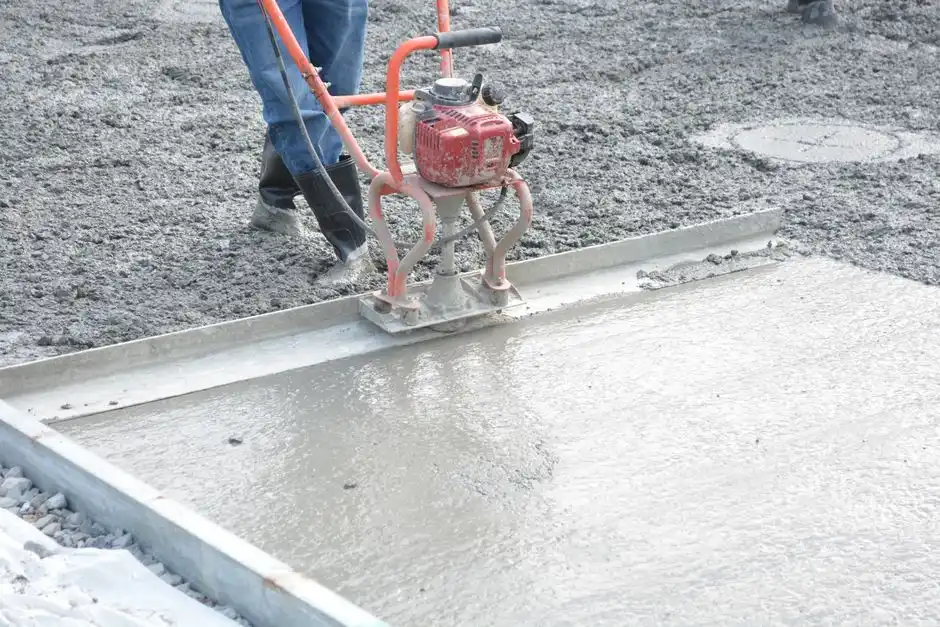
A cold snap burst a water line under a garage slab, and water was running across the floor at 11 p.m. The slab was 6 inches thick with rebar, which meant a slower break-out than a standard interior floor.
After: We responded the same night, shut off the water, cut and broke the slab over the burst section, and repaired the line. The garage slab was patched and finished within two days. The homeowner avoided a full garage floor repour.
Book this service →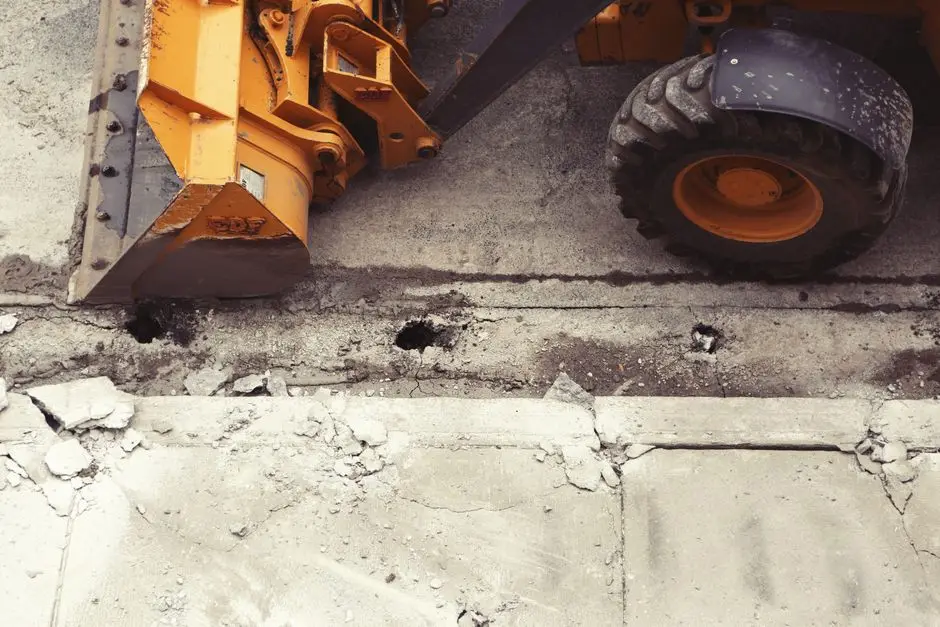
A 1950s home had slow drains and a sewer smell in the hallway. A RIDGID SeeSnake inspection showed a collapsed cast iron sewer line under the hallway slab, with root intrusion at the failure point.
After: We opened a 6-foot section of hallway slab, removed the failed cast iron, and installed new PVC. The line was tested and the slab patched and finished. Drains flowed freely and the odor was gone.
Book this service →Most people do not wake up wanting their floor opened. They call because something is wrong and the only way to fix it is through the slab. Here are the problems we see most often in Victoria, and what happens if they are left alone.
Ask a pro →We confirm the leak with thermal imaging and acoustic gear, break the concrete over the failure point, repair the line, and patch the slab. Most jobs are diagnosed and opened the same day.
We locate the source, open the slab with controlled concrete breaking and removal, repair the failed pipe, and restore the floor. We pressure-test the line before the patch goes down.
We run a RIDGID SeeSnake camera to find the failure, break the concrete over it, repair or replace the line, and patch the slab. Odor and sanitation controls stay in place the whole time.
We break and remove the concrete, repair the leak driving the moisture, and address the foundation issue. Fixing the water source is the first step in stopping the movement.
We locate the leak first, mark a tight opening, saw-cut the perimeter, break the interior with a jackhammer, and haul the rubble off-site. A standard 4-by-4-foot slab opening takes two to four hours from setup to clean-up. You get a clean, square edge ready for the pipe repair and a later concrete patch.
It is the controlled removal of a concrete slab, driveway, or patio to reach what is underneath, most often a failed under-slab pipe. Unlike full demolition, we cut and break only the area the repair needs, protect the surrounding floor, and dispose of the debris. The goal is access, not destruction.
Typical 2026 pricing in this area runs $450 to $1,800 depending on slab thickness, rebar, opening size, and haul-off distance. A small interior opening with no rebar sits at the low end. Thick garage slabs with rebar and a long carry to the truck push toward the top. You get the number before we cut.
Yes, that is the most common reason we are called. We confirm the slab leak with acoustic listening devices and thermal imaging cameras, open the smallest practical section, and hand off to our plumber for the under-slab pipe repair. Most jobs are diagnosed and opened the same day you call.
We are licensed, insured, and bonded, and we run emergency concrete breaking and removal Victoria 24/7 for burst pipes and active leaks. Call now, tell us what you are seeing, and we will get a crew moving to your address.
Get a Free Quote 83157330144 →Call us at 831-573-30144 any time, day or night. We answer emergency calls 24/7 and schedule standard appointments Monday through Friday. If you're not sure whether you have a slab leak, call anyway and we'll help you figure out the next step.