Full System Inspection
Video pipe inspection cameras and pressure testing gauges confirm which lines are galvanized and which have already failed. You get a written report of what we found and what we recommend replacing.
If your Victoria home still runs on galvanized steel, every year brings lower pressure and more pinhole leaks. Our galvanized pipe replacement Victoria TX crews cut out the failing steel and install clean copper or PEX, usually in one to three days. We handle slab access, permits, and cleanup so you get strong water flow and a dry floor again.
Galvanized pipe replacement Victoria TX is the full removal of corroded zinc-coated steel water lines and the installation of new copper or PEX piping sized to your home. Galvanized steel was standard in homes built before the 1970s, and after 40 to 60 years the interior rusts shut, pressure drops, and pinhole leaks start showing up under slabs and inside walls. We map the existing runs, open only what we need, and rebuild the system to current code.
Victoria sits on expansive clay soils that shift with every wet and dry cycle, and that movement stresses old steel lines until they crack. Add our hard, mineral-heavy water and galvanized interiors scale up fast, so a line that flowed fine five years ago now trickles at the shower head. If you have been searching galvanized pipe replacement near me Victoria and getting vague answers, we give you a straight assessment and a fixed price before we cut anything.
Every repipe we quote includes the work needed to get your water system back to code and back to full pressure. If something falls outside a standard scope, we tell you before we start and price it separately so nothing shows up as a surprise line item at the end.
Video pipe inspection cameras and pressure testing gauges confirm which lines are galvanized and which have already failed. You get a written report of what we found and what we recommend replacing.
We install new copper pipes or PEX pipes sized for your fixture count, with new couplings, shut-off valves, and a pressure regulator valve set to 50 to 60 psi. All materials meet current plumbing code.
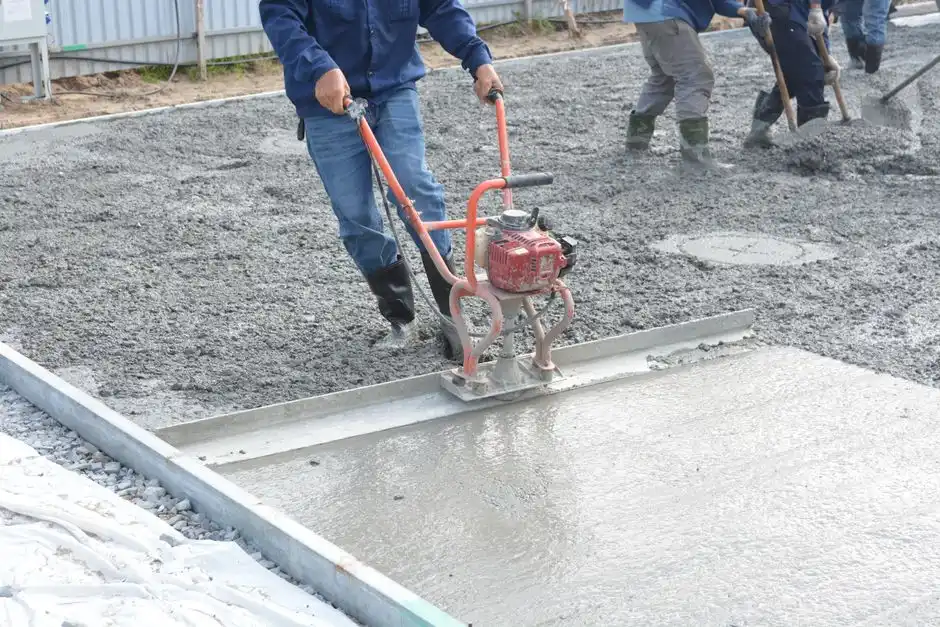
Where under-slab access is needed, we cut controlled openings with concrete saws and jackhammers, then restore them with concrete patch mix. Trenchless tunneling equipment keeps most floors intact.
We pull the plumbing permit, schedule the inspection, and confirm the work passes Texas State Board of Plumbing Examiners requirements. You get the paperwork for your records and for any future sale.
Every new line holds a 30-minute pressure test before we close walls or pour patch. We then check flow at each fixture so you can see the difference at the tap before we leave.
We remove debris, wipe down surfaces, and walk the house with you to show the new shut-off locations and explain the warranty. Most jobs finish in one to three days.
We start with video pipe inspection cameras and pressure testing gauges to see inside the lines and confirm which runs are steel. A moisture meter and thermal imaging camera check for hidden leaks under the slab. You get a written scope and a fixed price, usually the same day you call.
We plan the new routes to minimize cutting, then mark exactly where we will open walls or slab. Pipe locators and acoustic listening devices confirm nothing important sits in the path. Most homes need two to four access points, and we protect floors and furniture before any concrete saw comes out.
We cut out the old galvanized runs and install new copper or PEX, with new couplings, shut-off valves, and a pressure regulator valve set to 50 to 60 psi. Under-slab sections are replaced with trenchless tunneling equipment where the layout allows, which keeps most of your floor intact.
Every new line gets a pressure test held for at least 30 minutes, then a full flow check at each fixture. We verify backflow prevention and confirm the work meets Texas State Board of Plumbing Examiners requirements before we close anything up.
We pour and finish concrete patch mix on slab openings and leave walls ready for paint or drywall. Then we walk the house with you, show you the new shut-off locations, and hand over the permit paperwork and warranty. Most jobs wrap in one to three days.
We start with video pipe inspection cameras and pressure testing gauges to see inside the lines and confirm which runs are steel. A moisture meter and thermal imaging camera check for hidden leaks under the slab. You get a written scope and a fixed price, usually the same day you call.
We send these through supply and drain lines to see corrosion, scale, and cracks directly instead of guessing from symptoms. It is how we confirm which runs are galvanized and which have already failed.
Thermal imaging shows temperature differences that reveal hidden moisture under slabs and behind walls. It is a fast, non-invasive way to locate leaks before we open anything.
These pick up the sound of pressurized water escaping a cracked line. On old galvanized systems, they tell us which runs are actively leaking right now.
We hold new lines at test pressure for at least 30 minutes before closing walls or pouring patch. If a joint is going to fail, it fails on the gauge, not in your ceiling.
Tunneling lets us reach under-slab lines from outside the foundation instead of cutting through finished flooring. It is how most Victoria repipes avoid a trench across the living room.
When slab access is unavoidable, these cut clean, controlled openings instead of breaking out large sections. Smaller openings mean faster patch and less dust in the house.
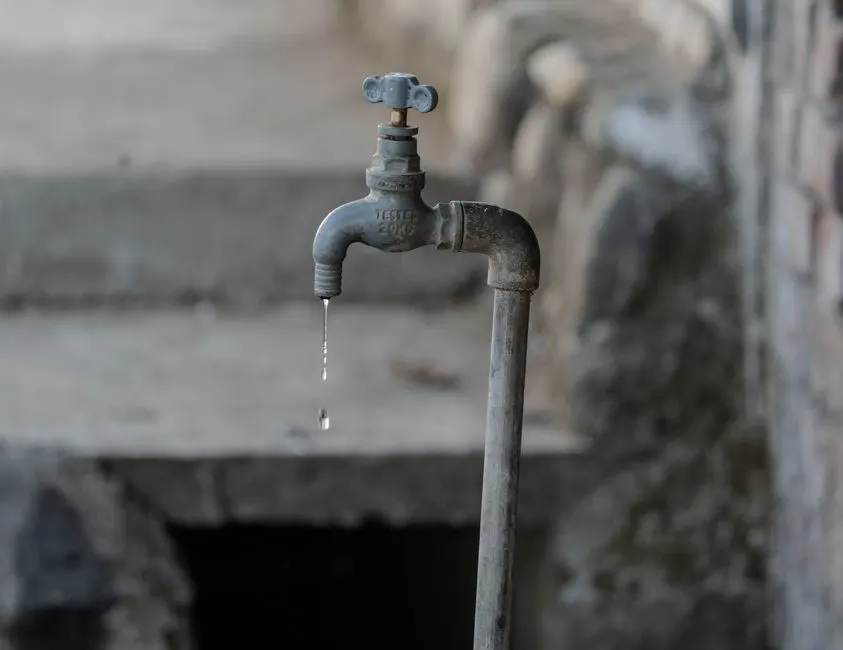
A 1,400 square foot home near Downtown Victoria had original galvanized lines, brown water at every tap, and pressure so low the upstairs shower was unusable. The owner had paid for two pinhole repairs in the previous year.
After: We replaced the full system with PEX in two days, opened two small slab sections, and restored them with concrete patch mix. Flow at the main went from under 4 to 11 gallons per minute, and the water ran clear immediately.
Book this service →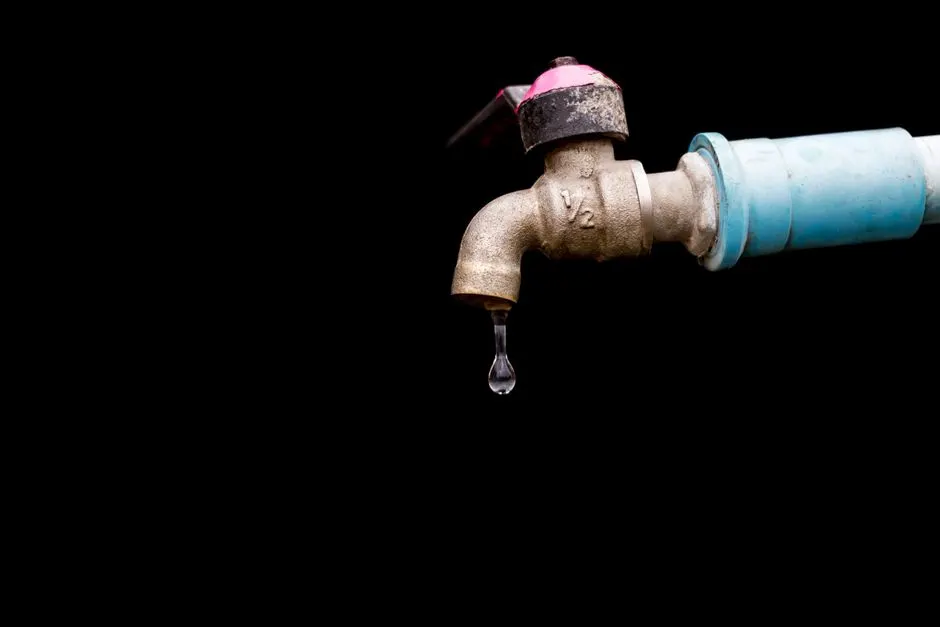
A pipe burst under the kitchen slab in Fernwood on a Sunday night. Water was pooling across the floor and the main shut-off valve would not close fully, so the homeowner could not stop the flow.
After: We responded within the hour, replaced the failed main shut-off valve, and isolated the burst line. The full repipe was completed that week with a new regulator and pressure test. The floor dried with no lasting damage.
Book this service →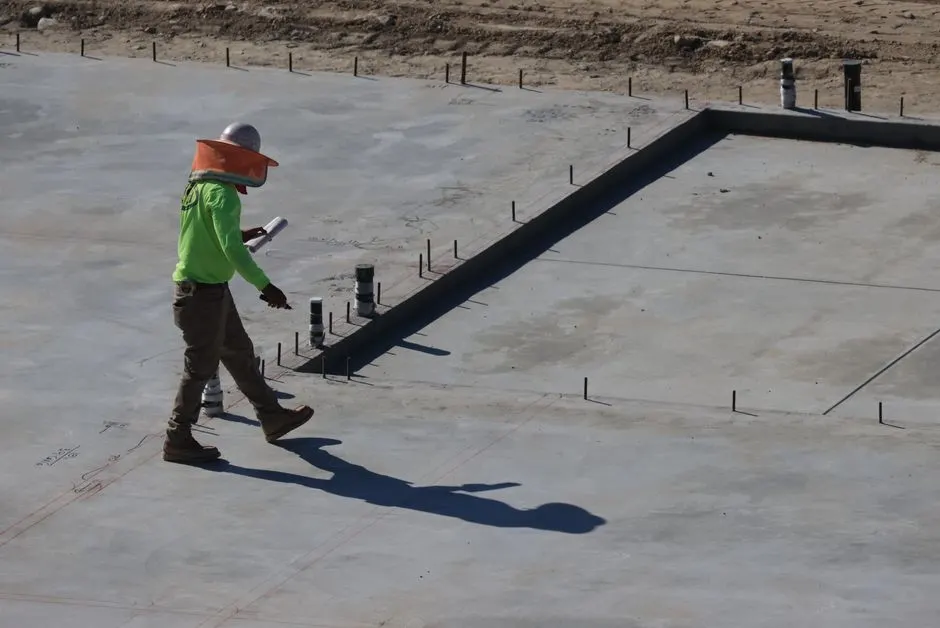
A landlord with a 1965 duplex was averaging three emergency plumbing calls a year on aging steel lines. Tenants had complained about pressure and rusty water, and one unit had a slow under-slab leak driving up the water bill.
After: We repiped both units in three days, working around tenant schedules, and replaced the failing drain sections at the same time. Emergency calls dropped to zero over the following year and the water bill fell by roughly 20 percent.
Book this service →Galvanized failures rarely show up one at a time. Most Victoria homeowners call us after the second or third symptom, when it is clear the whole system is on its way out. Here is what we fix.
Ask a pro →We remove the corroded galvanized runs entirely and install new copper or PEX. Within a day of the swap, water runs clear at every fixture and the metallic taste is gone.
New lines restore full flow, typically 8 to 12 gallons per minute at the main. You can run the shower and the washing machine at the same time without either one suffering.
A complete repipe ends the cycle. We replace every failing section in one project instead of returning every few months for another patch on pipe that is already past its life.
Electronic leak detection equipment and thermal imaging cameras find the source fast. If the line is failing, we replace it and stop the loss at the source rather than chasing symptoms.
We locate every steel run with video inspection and pressure testing, then cut out the old galvanized pipe and install new copper or PEX in its place. Under-slab sections come out through small access openings using trenchless equipment where possible. The whole system is pressure tested, patched, and inspected before we leave. Most Victoria homes take one to three days.
Repiping means replacing the entire water distribution system, not just the leaking section. In Victoria Texas, that usually covers the main line from the meter, the under-slab runs, and the branch lines to fixtures. Doing the whole system at once costs more upfront than a spot repair but eliminates the cycle of chasing one pinhole leak after another on pipe that is already failing.
Typical 2026 pricing in Victoria runs $4,500 to $12,000 for a full repipe, depending on square footage, slab access, and how many fixtures are involved. Partial replacements on a single run start around $1,200. Hard water scale, foundation type, and whether walls need opening all move the number. We give you a fixed quote after the inspection, not a range.
Replace them when you see three or more pinhole leaks in a year, rusty brown water at the tap, or pressure that drops noticeably when two fixtures run at once. Any galvanized system past 40 years old is on borrowed time, especially with Victoria's shifting clay soils. If an inspector or lender flags the plumbing, replacement is usually the cheaper path.
One call gets you a same-day inspection, a fixed price, and a clear timeline. We are licensed, insured, and available 24/7 for active leaks. Call now and we will tell you exactly what your lines need.
Call 83157330144 →Call us at 831-573-30144 any time, day or night. We answer emergency calls 24/7 and schedule standard appointments Monday through Friday. If you're not sure whether you have a slab leak, call anyway and we'll help you figure out the next step.